
グラファイトの超微粉砕:次世代の高エネルギー密度バッテリーを実現する上で、それはどのように役立つのか?
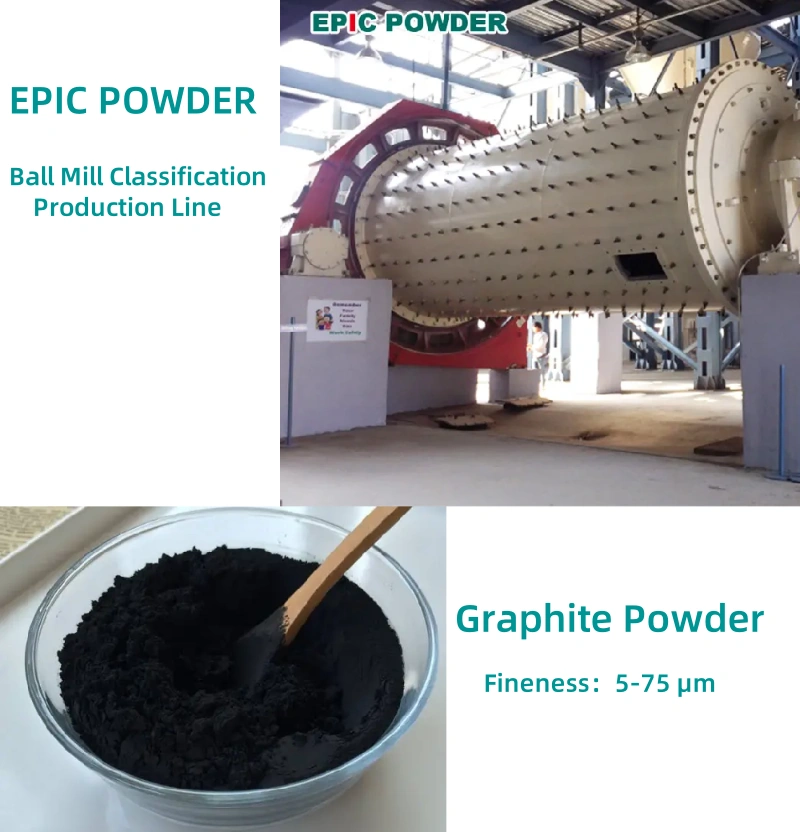
Graphite is one of the most classical members of the carbon family. It has long dominated lithium-ion battery anode materials. This is due to its excellent thermal conductivity and electrical conductivity. Graphite also offers high-temperature resistance and lubricating properties. It has been listed as a critical raw material by the EU and the United States. Australia and other regions have made similar strategic classifications. From natural flake graphite to high-purity graphite, applications continue to expand. Spherical graphite and specialty graphite further broaden its industrial value. The graphite family shows strong versatility across many industries. Typical fields include metallurgy, electronics, chemicals, and aerospace. Advanced processing, especially graphite ultrafine grinding, enables these […]
リン酸鉄リチウム正極材料はどのように製造されるのですか?
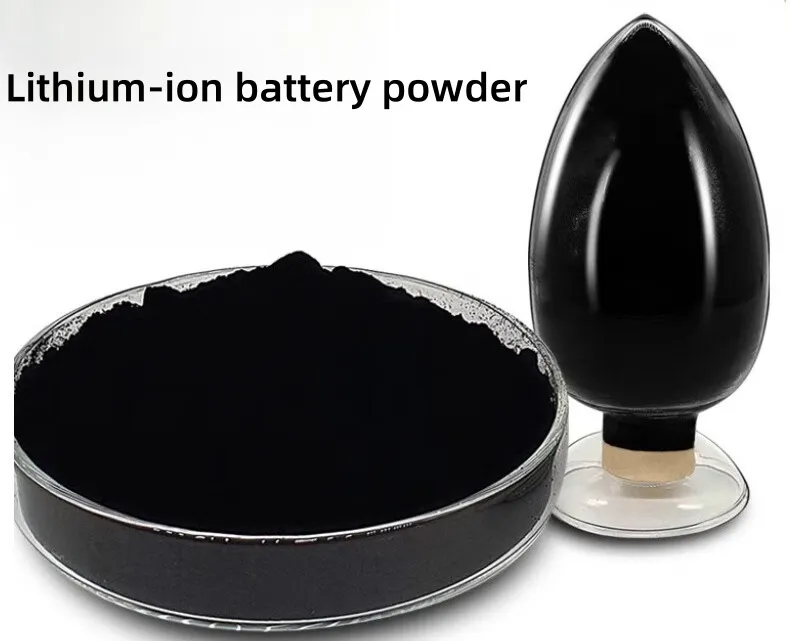
Cathode materials, one of the four main materials in lithium batteries (cathode, anode, separator, and electrolyte), are crucial components of lithium batteries. They also account for a large portion of the battery’s cost. The cost of cathode materials largely determines the price of the battery. Among lithium battery cathode materials, mainstream materials include lithium cobalt oxide (LCO), lithium iron phosphate (LFP), lithium manganese iron phosphate (LMFP), nickel cobalt manganese lithium oxide (NCM), and lithium manganese oxide (LMO), among others. Their production processes differ slightly, but the fundamental principles are similar. The precursor materials are mixed with lithium carbonate or lithium hydroxide and then heated at high temperatures to obtain the […]
ジェットミル法は、モリブデン酸アンモニウム製造における長年の凝集問題を解決できるか?

Ammonium molybdate (mainly including ammonium dimolybdate, ammonium tetramolybdate, and ammonium heptamolybdate) is an important intermediate in molybdenum deep processing. It is widely used in the production of molybdenum powder, molybdenum trioxide, catalysts, molybdenum metal products, and agricultural molybdenum fertilizers. During ammonium molybdate production, agglomeration has long been a persistent challenge for the industry. This problem is particularly evident during evaporation crystallization, drying, and the subsequent hydrogen reduction process used to produce molybdenum powder. Agglomeration mainly manifests in several ways. During crystallization, particles tend to adhere to each other, resulting in a broad and uneven particle size distribution. After drying, the material easily forms hard lumps or cakes. In addition, ammonium […]
チタン酸バリウム粉末の主な製造方法は3つあります。それは何ですか?

Barium titanate (BaTiO₃) powder is the primary raw material of titanate-based electronic ceramics. As a typical ferroelectric material with excellent dielectric properties, it is widely used in multilayer ceramic capacitors (MLCCs), sonar devices, infrared radiation detectors, grain-boundary ceramic capacitors, and positive temperature coefficient (PTC) thermistors. With broad application prospects, barium titanate is regarded as a pillar material of electronic ceramics. With the ongoing trend toward miniaturization, lightweight design, high reliability, and thin electronic components, the demand for high-purity and ultrafine barium titanate powder has become increasingly urgent. Overview of Barium Titanate Barium titanate is a congruently melting compound with a melting point of 1618 °C. It exhibits five crystalline polymorphs: […]
活性炭から多孔質炭素を製造する方法は?
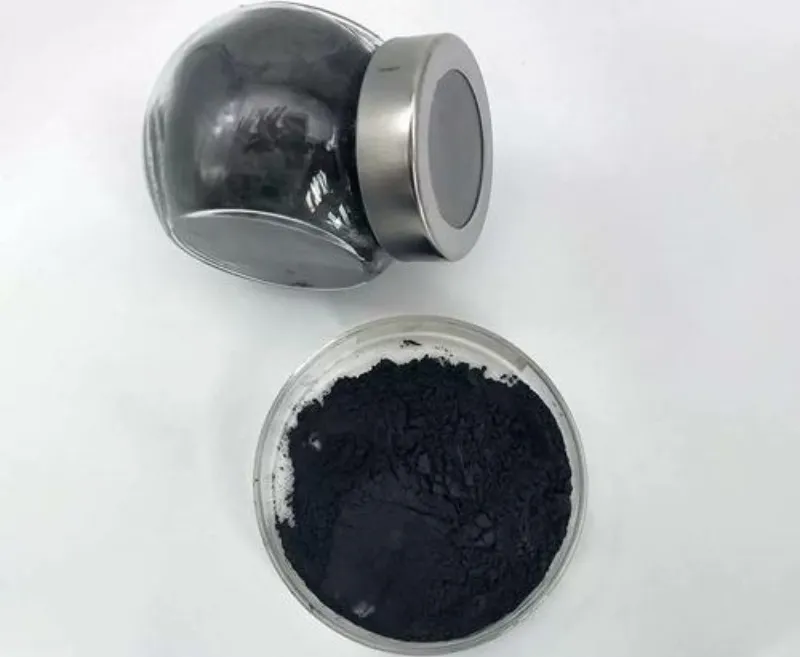
Activated carbon is itself a typical porous carbon material. It features a highly developed pore structure, a large specific surface area, and excellent adsorption performance. It is widely used in adsorption, catalyst supports, and energy storage. Porous carbon is a broader concept that includes carbon materials with micro-, meso-, and macropores. In particular, hierarchical porous carbon exhibits a more complex pore architecture and optimized performance. Strictly speaking, activated carbon already belongs to the category of porous carbon. However, in both research and practical applications, commercial activated carbon or preliminarily carbonized materials are often used as precursors to prepare porous carbon with advanced structures. These materials are further treated through secondary […]
天然黒鉛がハイテク産業にとって「戦略的資源」となった理由とは?
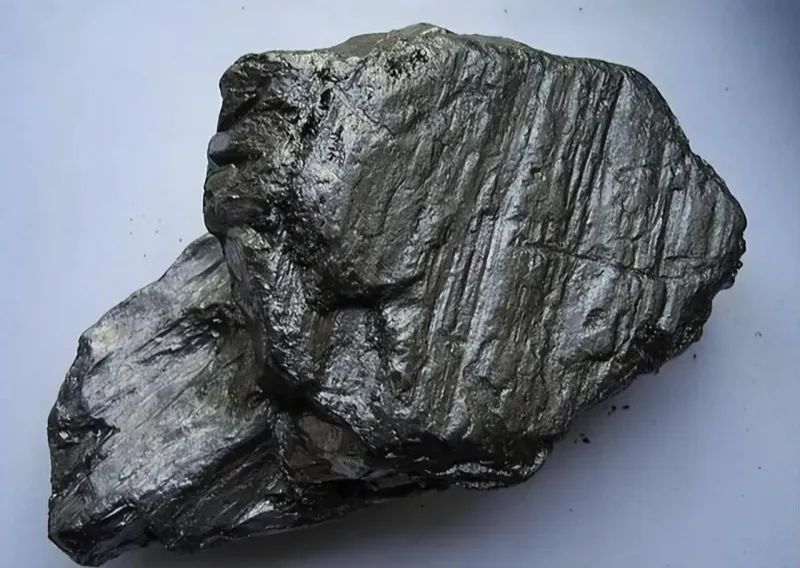
Natural graphite is a strategic non-metallic mineral known for its exceptional multifunctional performance. With outstanding thermal stability, high strength, excellent electrical and thermal conductivity, stable chemical properties, and superior lubricity, plasticity, and thermal shock resistance, natural graphite plays an irreplaceable role across traditional industries and emerging strategic sectors. It is often referred to as a key resource supporting 21st-century high-tech development. As technology advances, the value of natural graphite continues to rise. Natural graphite is black in color and smooth in texture. Based on its crystalline morphology, it can be classified into crystalline graphite and cryptocrystalline graphite. Crystalline graphite includes flake graphite and lump graphite. When individual graphite layers stack […]
新エネルギー用カソードおよびアノード材料の製造において、セラミックライニング粉砕装置が不可欠な理由
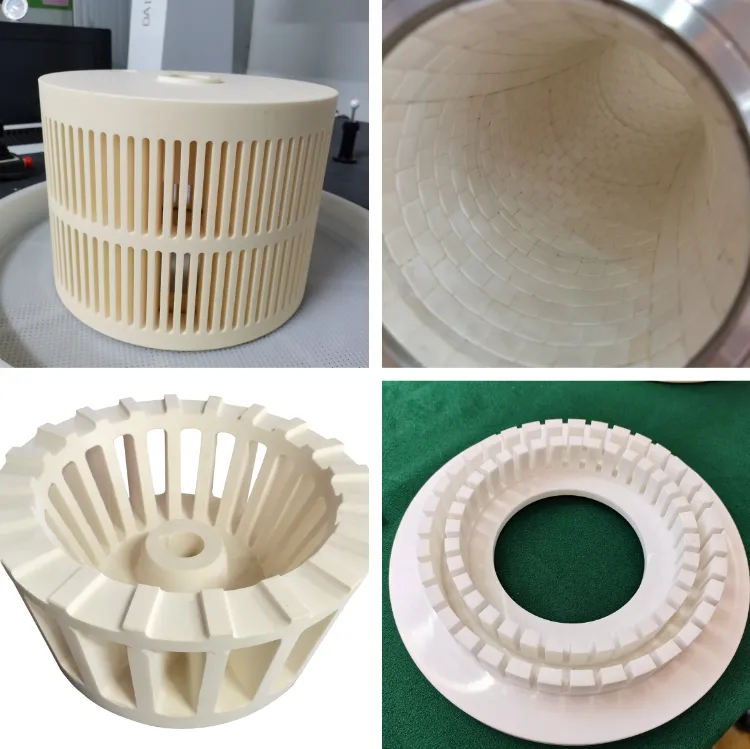
In the lithium-ion battery industry, the ultra-fine grinding and classification of cathode and anode materials are key processes that directly determine material performance. Whether it is high-nickel cathode (NCM/NCA), lithium iron phosphate (LFP), artificial graphite, soft carbon, or hard carbon, powder quality strongly affects battery energy density, rate capability, and cycle life. As battery performance continues to advance, pulverizing equipment faces unprecedented challenges: high purity, high reactivity, high hardness, and high safety requirements. Traditional metal-lined mills can no longer meet these demands. This is why ceramic-lined pulverizing equipment has become the mainstream solution for new energy material producers. This article explains the core value of ceramic liners from five perspectives: […]
エアジェットミルは、硬質炭素陽極材料の粒度分布と形態特性にどのような影響を与えるのか?
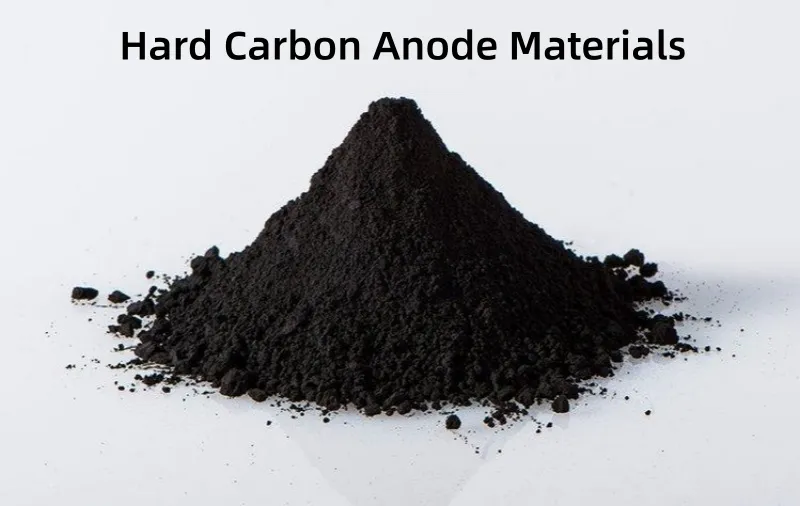
The practical performance of hard carbon anode materials in sodium-ion batteries is highly dependent on their microstructure, and the particle size distribution (PSD) and morphology are key factors determining ion diffusion pathways, electrode packing density, first-cycle Coulombic efficiency, and cycle stability. Air jet mill, as the most commonly used ultrafine grinding method in hard carbon preparation, has its process parameters directly influencing the final particle size, distribution width, and morphological characteristics, thereby profoundly affecting electrochemical performance. This article will systematically analyze the main process parameters of air jet milling and their specific effects on the particle size and morphology of hard carbon. Principle of Air Jet Mill and Key Process […]
タルク粉末は塗料にどのように使用されるのですか?
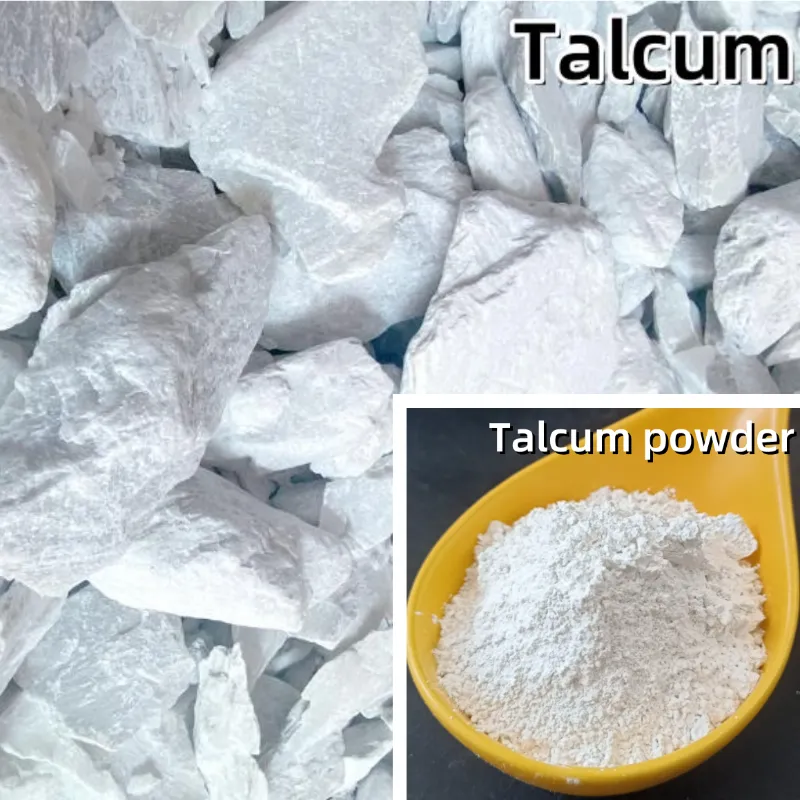
Talc powder is one of the most widely used and cost-effective functional fillers in the coatings industry. Its main component is hydrated magnesium silicate, with the chemical formula 3MgO·4SiO₂·H₂O, belonging to the monoclinic crystal system. It typically appears as pseudo-hexagonal or rhombohedral plate-like crystals. High-quality talc powder is white or off-white. It has a smooth, silky feel and exhibits excellent physical and chemical properties. These include: In recent years, thanks to advances in ultra-fine grinding, classification, and surface modification technologies, talc powder has expanded from traditional solvent-based coatings to water-based, powder, and high-solids coatings. It is now widely used in architectural coatings, industrial anti-corrosion coatings, road marking paints, automotive paints, […]