
超微粉末の凝集を防ぐための適切な分散剤の選び方とは?
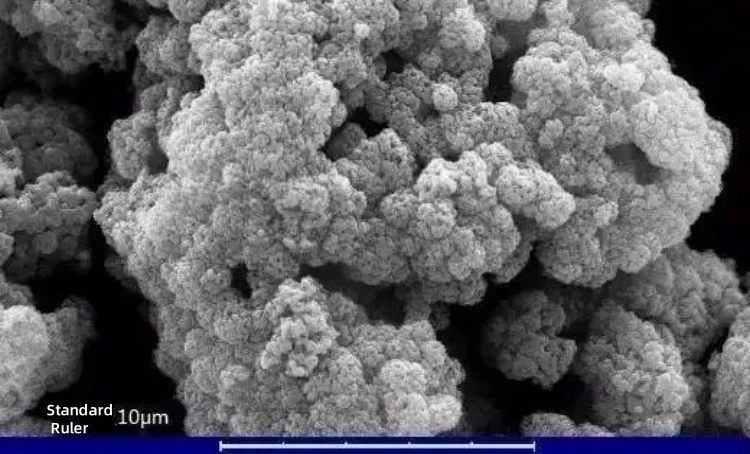
Choosing the appropriate dispersant to prevent the ultrafine powder agglomeration requires a comprehensive consideration of powder properties, dispersing medium, and processing conditions. The following are key principles and strategies: Select the Dispersant Type According to The Powder Characteristics Surface Charge and Polarity Matching Polar powders (such as ceramics, oxides): Prefer anionic dispersants (e.g., sodium polyacrylate, sodium hexametaphosphate) to prevent the ultrafine powder agglomeration through electrostatic repulsion. For example, ZnO is stably dispersed at pH = 5 via double-layer repulsion.Non-polar powders (such as graphene, carbon black): Use non-ionic dispersants (e.g., PVP, PEG) to prevent contact through steric hindrance. For high surface energy materials (e.g., nano-silicon carbide), combine in-situ functionalization (e.g., silane […]
ステアリン酸表面改質炭酸カルシウムはどのように製造されるのですか?
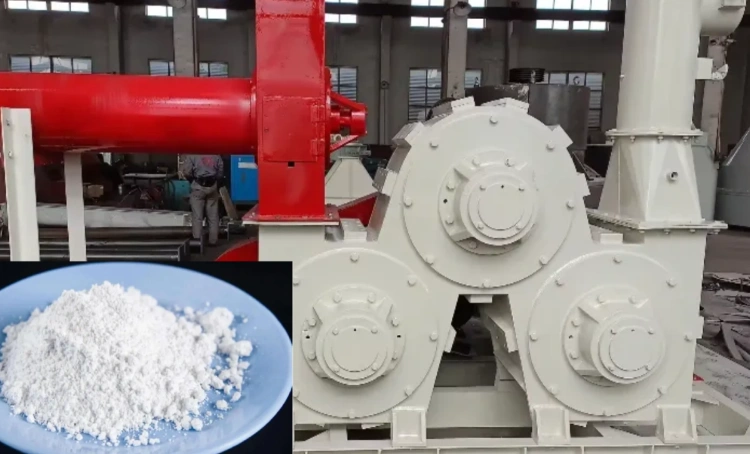
ステアリン酸表面修飾炭酸カルシウムは、プラスチック、ゴム、コーティング、接着剤など、さまざまな産業で広く使用されています。その主な役割は、複合材料中の炭酸カルシウムの分散性と適合性を向上させ、それによって性能を改善することです。ステアリン酸分子は、親水性セグメントと疎水性セグメントの両方を持っています。親水性基は、炭酸カルシウム表面と物理的および化学的に相互作用します。吸着とコーティングにより、粒子間の相互作用を効果的に低減し、ポリマーマトリックス中でのより均一な分散を実現します。ステアリン酸表面修飾炭酸カルシウムは、乾式法または湿式法のいずれかを使用して処理できます。湿式法では、通常、ステアリン酸ナトリウムなどのステアリン酸塩を使用する必要があります。どちらの方法にもそれぞれ利点があります。[…]
多孔質炭酸カルシウムとは何か、そしてその用途は?
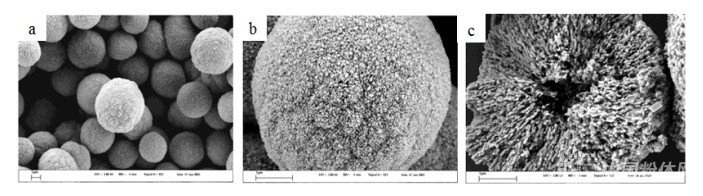
多孔質炭酸カルシウム(CaCO3)粒子は、クロマトグラフィー、生体分子担持、医薬品放出への応用で注目を集めています。また、生体模倣鉱物や超疎水性表面の構築にも応用されています。多孔質炭酸カルシウムの製造技術 多孔質炭酸カルシウムの製造には、テンプレート法が主な手法となっています。界面活性剤、ポリマー、天然植物成分がテンプレートとして使用されます。研究の進展に伴い、共沈法、乳化膜法、溶媒/水熱法などの方法が開発されてきました。これらの方法は、製造技術を大きく豊かにしています。様々な製造技術の中でも、テンプレート法は一般的に用いられ、確立された方法です。主な原理は、選択したテンプレートを炭酸カルシウムでコーティングし、コアシェル構造を形成することです。その後、テンプレートを除去します[…]
改質ウォラストナイト:高価値かつ高効率

Wollastonite is a fibrous silicate mineral with a needle-like structure and high whiteness. It has a low coefficient of thermal expansion, excellent chemical stability, and flame-retardant properties. It also has high electrical insulation, making it suitable for various applications. However, natural wollastonite is hydrophilic. To enhance resource utilization and add value, modified wollastonite is necessary. The Significance of Modified Wollastonite Powder Wollastonite, especially ultrafine high aspect ratio wollastonite, is widely used in plastics, rubber, and fibers. It is also used as a filler and pigment in coatings, adhesives, and composite materials. As an inorganic material, wollastonite lowers cost and enhances stability, rigidity, flame resistance, and insulation. However, its poor compatibility […]
What are the Mineral Powders in Cosmetics ?
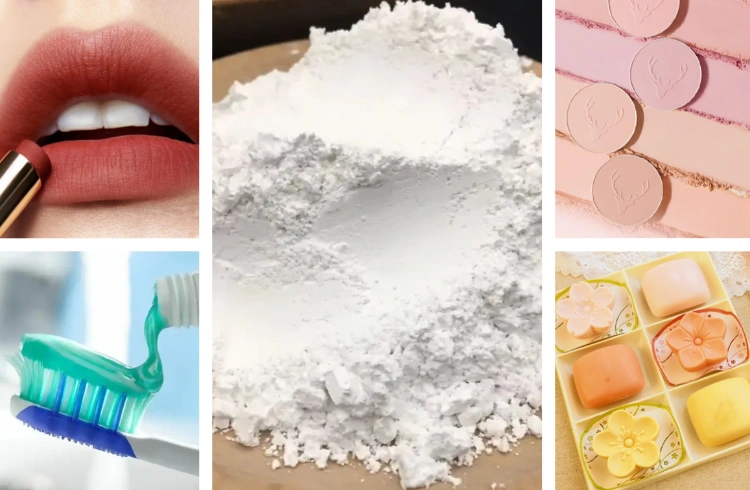
Mineral powders are increasingly used in cosmetics, such as pigment powders, white powders, filler powders, and pearl powders. Pigment powders adjust the color of cosmetics.White powders provide coverage, whitening, and UV blocking. Filler powders regulate product spreadability, adsorption, skin adhesion, texture, and active ingredient loading. Pearl powders enhance product gloss and texture. Physical Powder – Common Inorganic Powder Skin Care – Scrub, Soap, Shower Gel, Talcum Powder Mica Powder:Mica powder is a group of composite hydrated aluminum silicate salts, a light gray, flaky crystalline powder. It has strong adhesion, moderate gloss, and a smooth feel. Special processing creates synthetic mica, enhancing brightness, whiteness, and durability in cosmetics. It is mainly […]
石灰石の主な用途は何ですか?
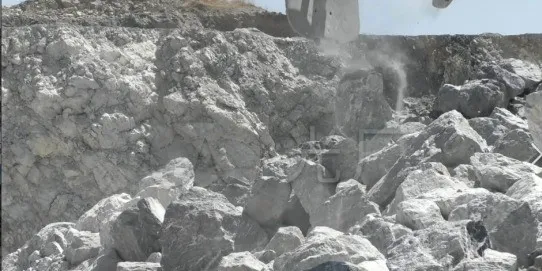
Limestone, also known as “Qing Stone” or “Gray Rock,” is a mineral aggregate primarily composed of calcite. It often contains dolomite, magnesite, and other carbonate minerals. The chemical composition of pure limestone is close to the theoretical composition of CaCO3, with CaO accounting for 56.04% and CO2 for 43.97%. Limestone is a common non-metallic mineral and a valuable resource with wide applications. The applications of limestone covers many fields such as construction, metallurgy, environmental protection, and chemical industry. For example, it is a key material for manufacturing cement, steelmaking flux, flue gas desulfurization, and the production of calcium carbonate. It is an indispensable basic raw material for industrial development. It […]
粉体用ボールミル
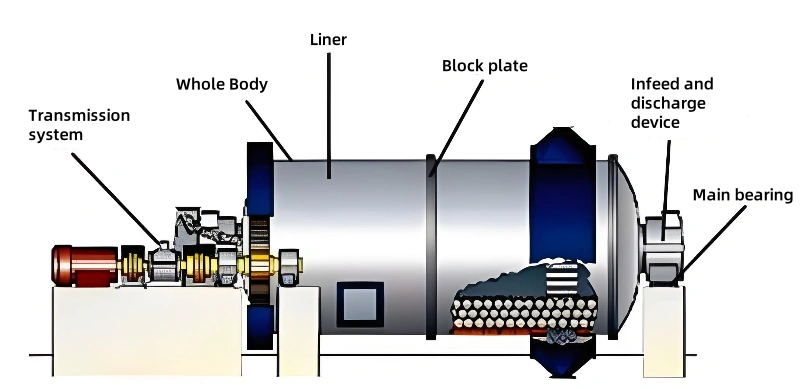
Ball mill is a key equipment for crushing materials after they are broken. Ball mill for powders is one of the high-fine grinding machines widely used in industrial production. It is suitable for grinding various ores and other materials. It is widely used in mineral processing, building materials, and chemical industries. Why is it Called a “Ball” Mill? What Does “Ball” Mean? The ball mill crushes materials through grinding media. The transmission mechanism transfers mechanical energy to the grinding media. Various mechanical forces generated between the media crush the materials. The grinding media loaded in the mill are mainly steel balls (steel sections), hence the name “ball mill.” Ball Mill […]
Heavy Calcium Ultrafine Processing Equipment
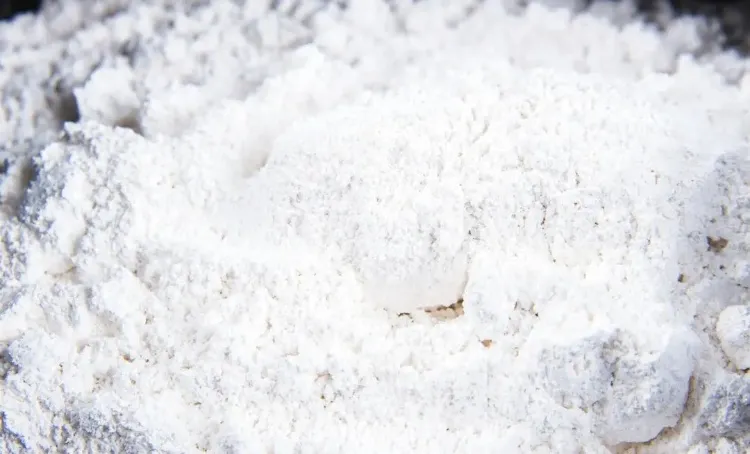
There are many types of heavy calcium ultrafine processing equipment. They work with ultrafine classifiers to form ultrafine processing systems. These systems can generally achieve ultrafine production results. Currently, the mainstream demand in the calcium market is 600-1500 mesh heavy calcium products. The added value of heavy calcium products is low (compared to talc, barytes, kaolin, etc.). Scale is one of the main factors affecting efficiency. Today, we will discuss the ultrafine processing equipment used in the dry process of heavy calcium. Heavy Calcium Ultrafine Processing Equipment Comparison of Various Ultrafine Processing Equipment Device Type Product fineness (mesh) Optimal fineness (mesh) Advantages Disadvantages Raymond mill 100-1250 <400 Great advantages in […]
What is the Preparation Technology of Barite Powder?
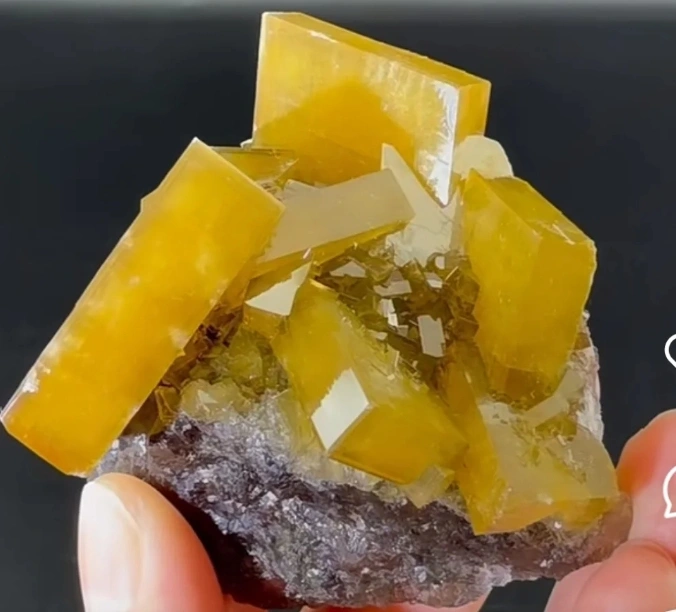
Barite powder is derived from the mineral barite, composed of barium sulfate (BaSO₄). It forms in low-temperature hydrothermal veins and sedimentary rocks. The chemical composition includes 65.7% BaO and 34.3% SO₃. Substitutions of Sr, Pb, and Ca can also occur in its structure. Barite powder typically appears as plate-like, granular, fibrous aggregates, and crystal clusters. Some forms are dense, massive, cryptocrystalline, or soil-like. Stalactites and nodules with concentric band structures can also be found. Barite Mineral Characteristics and Classification Barite is divided into high-purity barite, ultra-fine barite, and ultra-fine active barite. Preparation Technology of Barite Powder Preparation Technology of High Purity Barite Powder Physical purification:Hand selection: Select blocky barite based […]