
The outer husk of rice. It can be utilized to produce soy sauce, wine, and fuel. Oyster mushrooms can also be grown in bags.
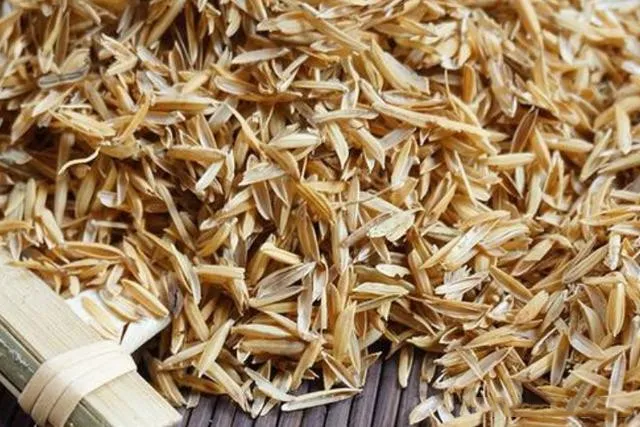
La pula di riso possiede proprietà fisico-chimiche. È composta da glume esterne e interne, glume di guardia e piccole pannocchie. Sulla parte superiore delle glume esterne sono presenti dei peli. La pula di riso è costituita da cellule ruvide a parete spessa, con uno spessore di circa 24-30 micron. La pula di riso è ricca di cellulosa, lignina e silice, con un basso contenuto di grassi e proteine. La composizione chimica del riso varia a seconda della varietà, a causa di differenze regionali, climatiche, ecc.
Material Properties
IL rice husk is made up of inner and larger outer glumes. It is 5-10mm long, 2.5-5mm, and 23-30mm thick. Its color is rice-yellow, golden-yellow, yellowish-brown, and brownish-red. It have a bulk density of 96-160kg/m³. After the rice husk is crushed, the bulk density can reach 384-400kg/m³.
The more silicon are harder. They also have better wear resistance. The repose angle of Rice shell is 35°. The angle of rice husk at rest after crushing and passing through a 50-160 mesh screen is 43-45°. After passing through an 80 mesh screen, the angle is 40°.
Characteristics of calcined rice husk
La cenere di lolla di riso che rimane dopo la combustione della lolla stessa rappresenta in genere il 201% della massa del guscio di riso. Il componente principale della cenere di lolla di riso è la silice, con un contenuto che varia dall'87% al 97%. La densità apparente della cenere di lolla di riso è di 200-400 kg/m³. La sua densità relativa è 2,14 e il suo coefficiente di canale caldo è 0,062. Per confronto, l'amianto frantumato ha un coefficiente di 0,041, la lana minerale 0,030 e il sughero 0,028. La cenere di lolla di riso ha un'ampia superficie specifica, solitamente 50-60 m²/g, a volte fino a 100 m²/g.
Rice husk powder uses
Rice husk powder is a versatile material in agriculture and industry. The following are the main uses of rice husk powder:
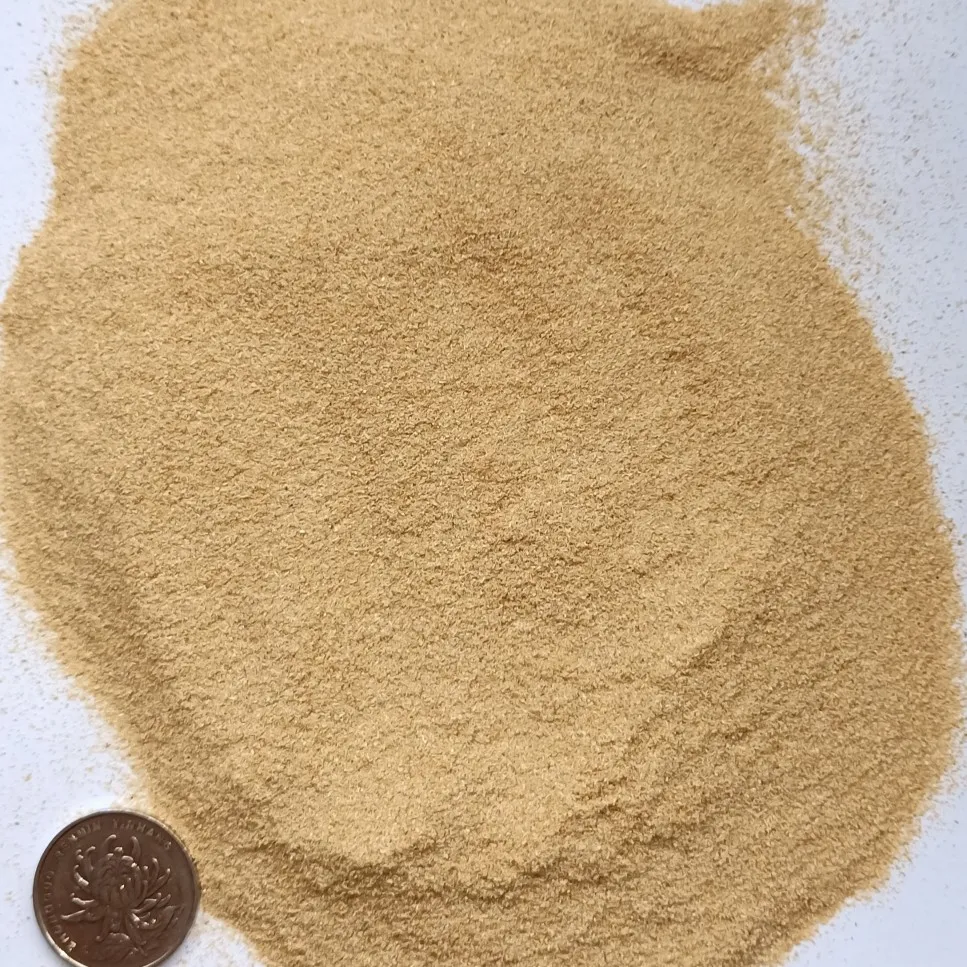
Use as fertilizer. After the rice husk is expanded, mix it with 1% urea and a bit of lime water. Let it ferment in the open air until the color turns black. Then, it can be used as fertilizer. This fertilizer has good water, fertilizer, and porosity. It can increase vegetable yields.
Pesticides: Rice husk has a lot of silica. It can corrode the waxy surface of an insect’s thorax. This has a negative impact on its metabolism and can lead to its death.
Puffed rice husk powder can be used as a medium for edible fungi in the form of an edible fungus culture material. These include shiitake mushrooms. It helps the fungi absorb nutrients and speeds up production.
Are there other applications ?
As feed: Rice husk treated with alkali or ammonia, or modified and expanded can be used as feed. When mixed with rice bran and broken rice in an appropriate ratio, it has a good effect on cattle feeding. Studies abroad suggest that fermenting rice husks into feed can make them have 30% protein.
Ethanol is made from the hydrolysis of cellulose found in the rice husk. The husk is treated with sulfuric acid to decompose it at high pressure. Then, water and yeast are added to the hydrolyzate to make ethanol.
La preparazione del carbone attivo e del nerofumo bianco prevede diverse fasi. Innanzitutto, il composto viene riscaldato ad alte temperature all'interno di un contenitore chiuso. Successivamente, si aggiunge carbonato di sodio e si porta la miscela a ebollizione. Dopo l'ebollizione, la miscela viene lavata con acqua fino a neutralità. Quindi, viene riscaldata e asciugata. Le fasi finali consistono nella rimozione delle impurità, nella frantumazione e nella setacciatura. Un altro metodo consiste nell'utilizzare la cenere di gusci di riso. Questa, dopo un trattamento alcalino, trasforma il composto in silicato di sodio. Successivamente, reagisce con un acido per formare un precipitato. Il precipitato viene filtrato, lavato e asciugato per ottenere il nerofumo bianco.
Rice hulls can fuel boilers. They are both low-cost and have high hot spots. This makes them a good option for burning in boilers.
It is heated without air. It can be made into chemicals like gas, furfural, acetic acid, and methanol. It can also be made into acetone, activated carbon, sodium silicate, and silicon carbide (emery). It can also be made into oxalic acid. Industries use carbonized rice husks to purify water. They also use them to make wine and thermal insulation plastics.
How to crush rice husk
EPIC Powder raccomanda la seguente attrezzatura per la polvere da sparo.