
Multi-field Application of PE Wax Powder
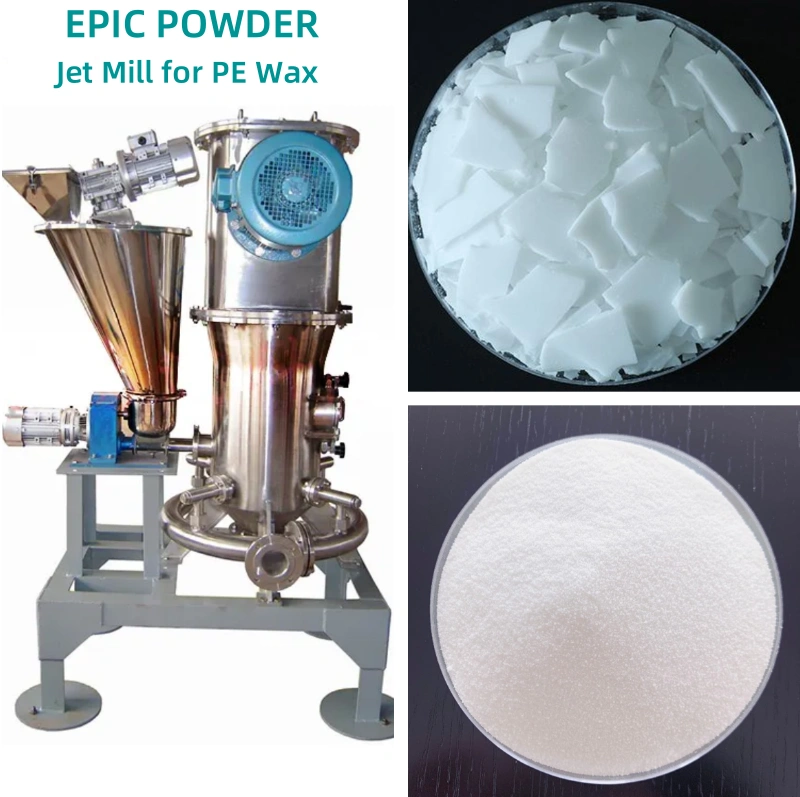
PE Wax powder (polyethylene wax) is a polyethylene product with a low molecular weight. It has excellent heat resistance, wear resistance and good dispersibility. In various thermal processing processes, it is often used as a lubricant, release agent, dispersant or gloss additive. Due to its high thermal stability and stable chemical properties, PE wax is […]
Ultrafine Powder Classification Technology Principle, Process and Typical Equipment
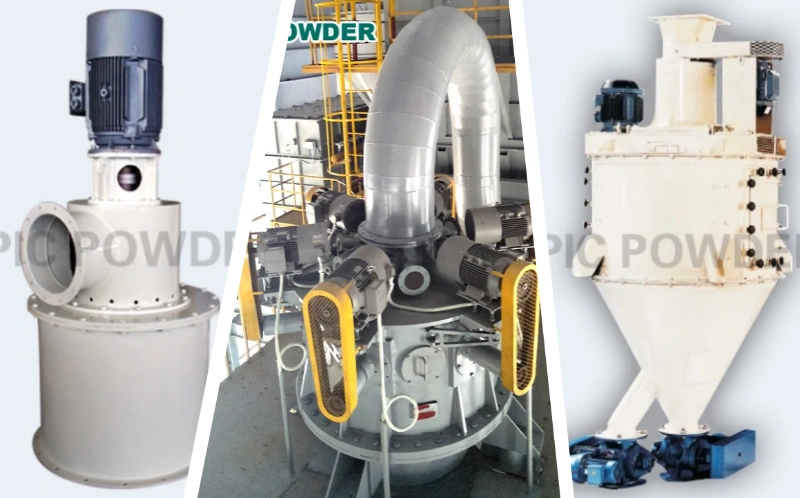
Ultrafine powder is not only the basic material for the preparation of structural materials, but also has unique functional properties. It is widely used in fine ceramics, electronic components, bioengineering, and new printing materials. It can also be used in many fields such as high-performance refractory materials and fine chemicals. As these industries continue to […]
What Indicators are Needed for Producing High-end Calcium Carbonate from Calcite?
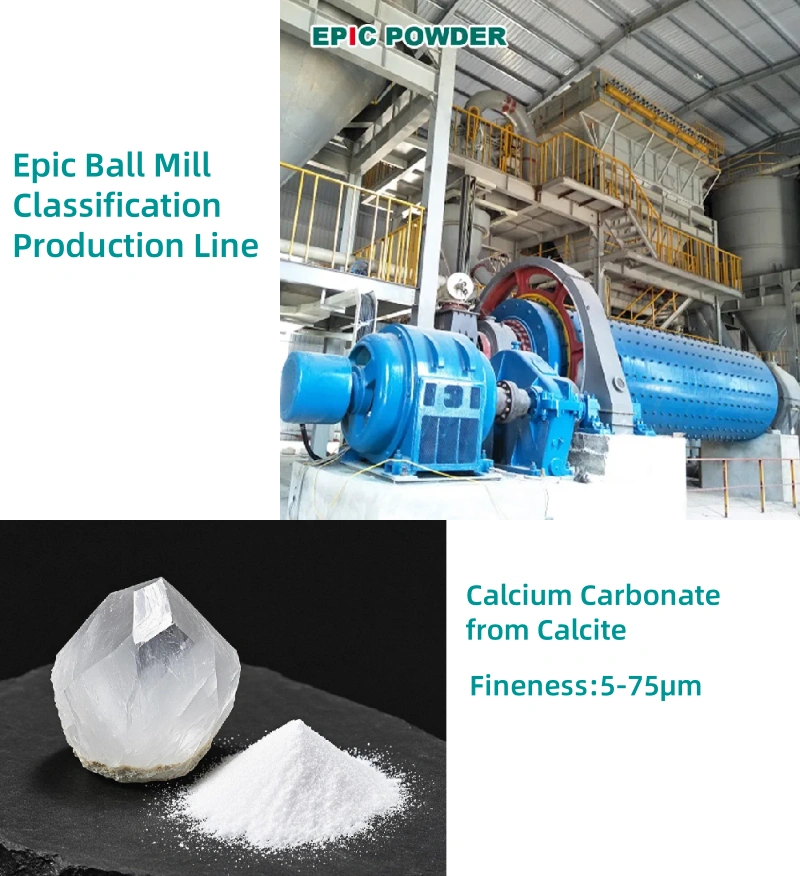
Calcite is a natural calcium carbonate mineral and the primary raw material for ground calcium carbonate (GCC). The grade and impurity content of calcite ore directly impact the quality of the final product. High-end calcium carbonate from calcite requires high-purity ore with low levels of heavy metals and other impurities. These factors determine whether the […]
Application of Seaweed Powder in Feed
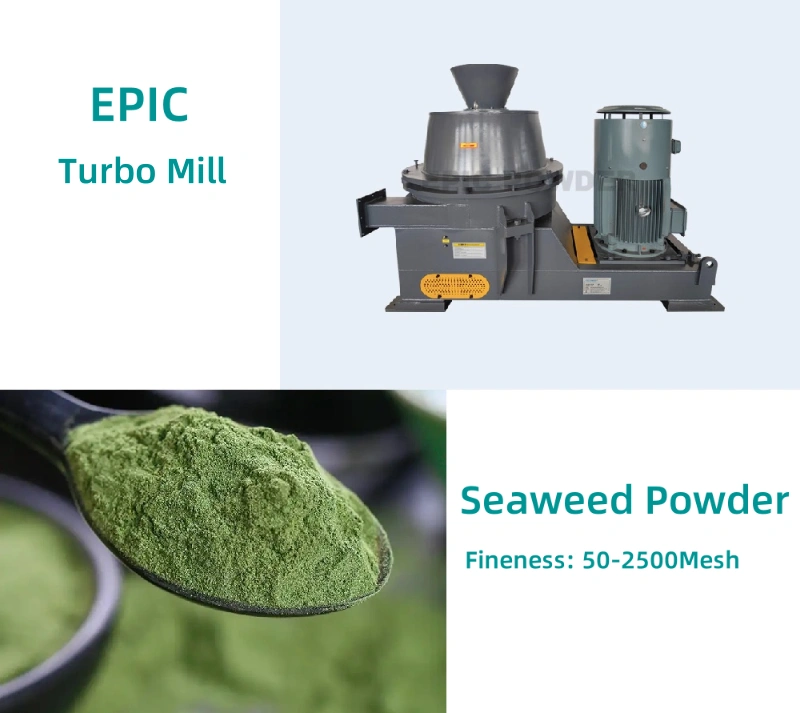
There are more than 10,000 species of marine algae, classified into 10 phyla. They can be divided into green, brown, blue, yellow, and golden algae based on pigment content. Based on morphology, they are classified into macroalgae and microalgae. Macroalgae include kelp, kombu, and giant kelp from brown algae. They also include Cladophora and Codium […]
What is PE Wax and How is it Used?
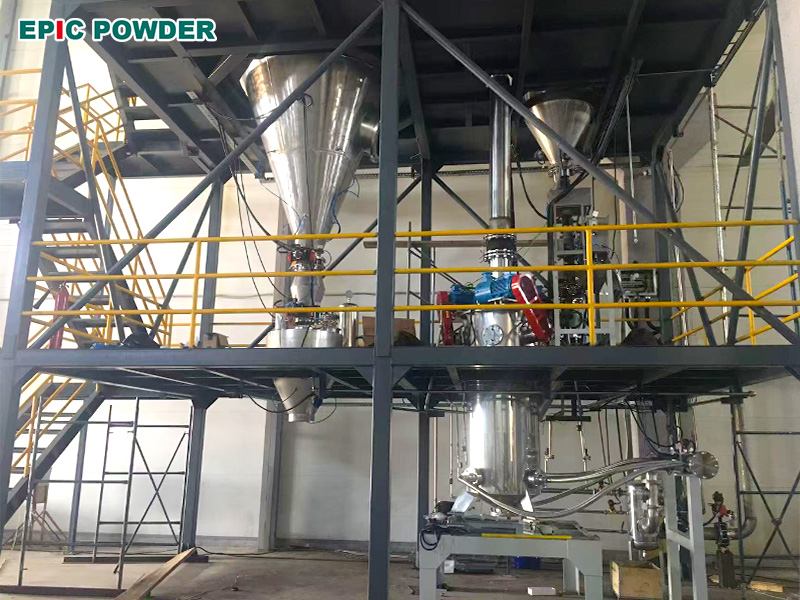
Polyethylene wax (PE wax), also known as polymer wax, is abbreviated as PE wax.It is widely used due to its excellent cold resistance, heat resistance, chemical resistance, and wear resistance. In normal production, this wax is used as an additive and directly added to polyolefin processing. It improves product gloss and processing performance. As a […]
How to Minimize Energy Use in Jet Mill Operations ?
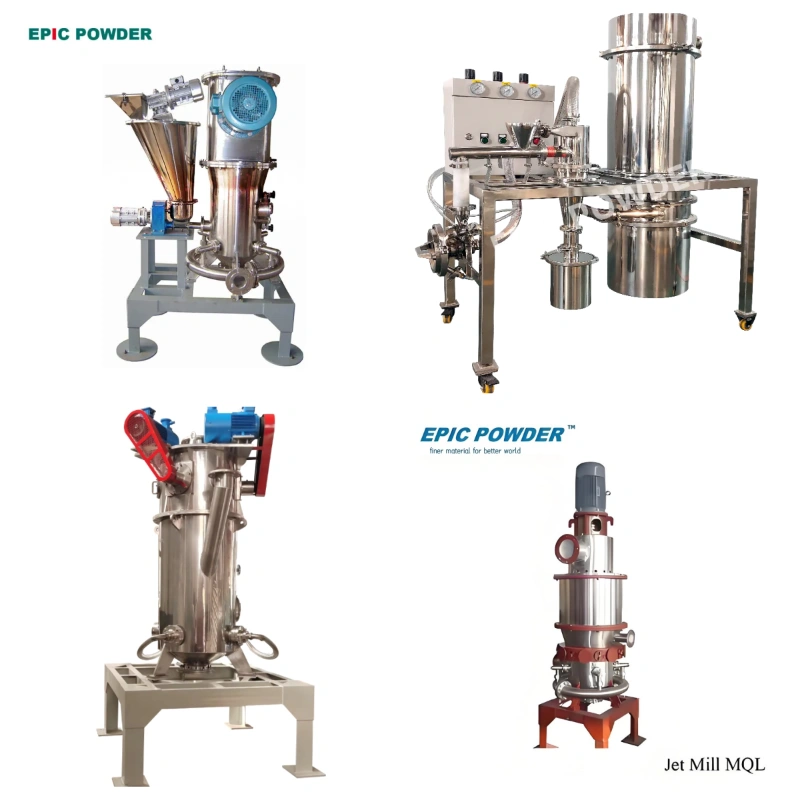
Jet mills are known for their ability to grind materials without producing contamination. After grinding, the high-speed compressed airflow slows down and increases in volume. This process absorbs heat and has a cooling effect on the material, making it ideal for ultrafine grinding. In jet mill operations, high-speed airflow accelerates particles to collide with each […]
Application of Calcium Carbonate in Degradable Plastics
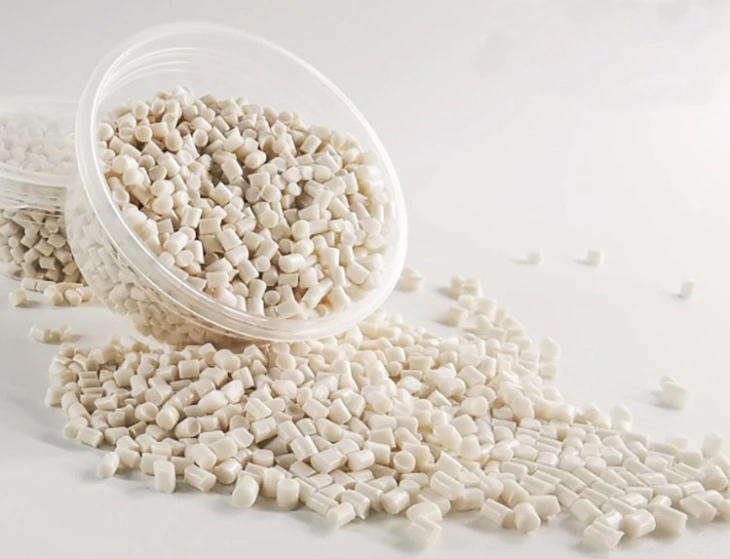
Plastic products are lightweight, strong, corrosion-resistant, cost-effective, and easy to process. They are widely used in daily life. In recent years, the demand for plastic has rapidly increased. However, petroleum-based plastics do not degrade naturally. White plastic waste is causing severe environmental pollution. Therefore, developing biodegradable plastics to replace non-degradable petroleum plastics is an inevitable […]
How to Choose the Right Dispersant to Prevent Ultrafine Powder Agglomeration?
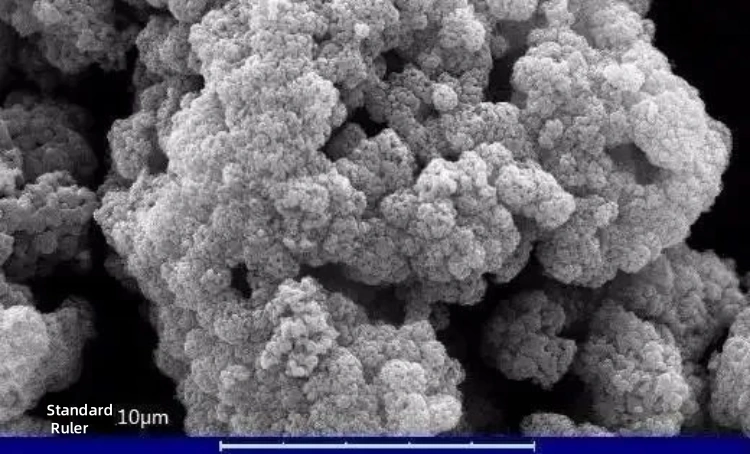
Choosing the appropriate dispersant to prevent the ultrafine powder agglomeration requires a comprehensive consideration of powder properties, dispersing medium, and processing conditions. The following are key principles and strategies: Select the Dispersant Type According to The Powder Characteristics Surface Charge and Polarity Matching Polar powders (such as ceramics, oxides): Prefer anionic dispersants (e.g., sodium polyacrylate, […]
How is Stearic Acid Surface Modified Calcium Carbonate Made?
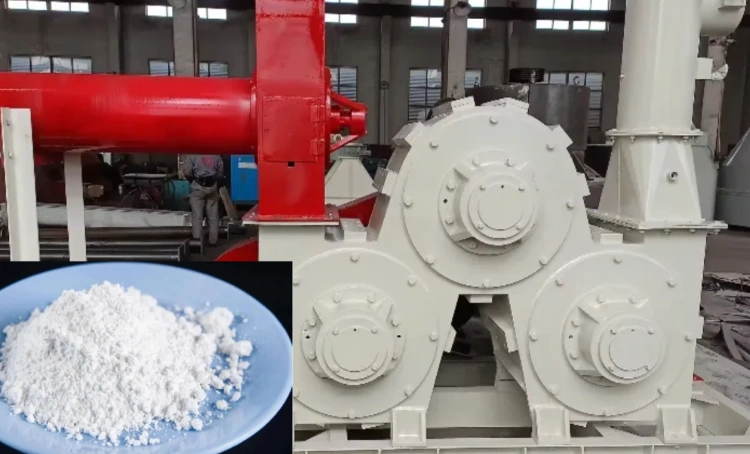
Stearic Acid Surface Modified Calcium Carbonate is widely used in various industries, especially plastics, rubber, coatings, and adhesives. Its primary role is to enhance the dispersion and compatibility of calcium carbonate in composite materials, thereby improving performance. The stearic acid molecule has both hydrophilic and hydrophobic segments. The hydrophilic group interacts physically and chemically with […]